
Blog
The Aloha Shirt: Spirit of the Islands and the Soul of Hawaii

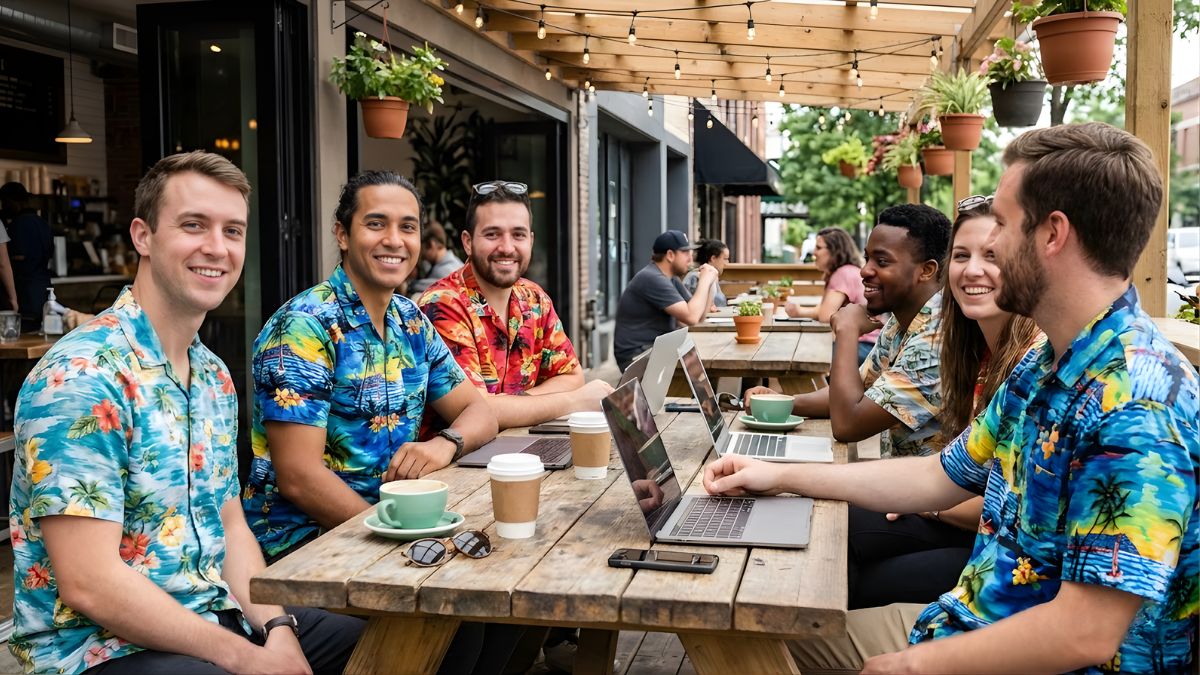
The Aloha shirt is more than a colorful piece of clothing. It is one of Hawaii’s most powerful cultural symbols—an ambassador of the islands that carries history, identity, and the spirit of aloha across the world. In The Aloha Shirt: Spirit of the Islands, author and historian Dale Hope explains how this iconic garment evolved and why it remains deeply meaningful today.
The Spirit of Place
Often described as Hawaii’s most enduring greeter, the Aloha shirt captures the essence of the islands—the land, the people, and their way of life. Wearing an Aloha shirt is not just a fashion choice; it is a statement of love and connection to Hawaii.
For locals and visitors alike, the shirt represents belonging, respect, and appreciation for the islands. It reflects a relationship with place rather than a passing trend.
Early Days and Origins of the Aloha Shirt
The idea of the Aloha shirt emerged when early visitors to Hawaii wanted to blend in with the relaxed island lifestyle. Instead of formal Western clothing, they sought garments that matched the casual, welcoming atmosphere of the islands.
The first Aloha shirts were made from Japanese kimono fabrics, featuring Japanese-inspired prints. These fabrics were readily available in Hawaii and brought with them rich colors, flowing patterns, and high-quality textile traditions that shaped the earliest designs.
Evolution of Aloha Shirt Prints
Over time, Japanese motifs were gradually replaced by imagery rooted in Hawaiian culture and landscape. Common design elements began to include:
- Diamond Head and volcanic landmarks
- Native Hawaiian flowers
- Ocean and coastal scenes
- Coconut trees and tropical vegetation
Interestingly, many of these fabrics were produced in Japan, where textile companies studied magazines and photographs of Hawaii to interpret island themes into print designs. This cross-cultural collaboration helped define the classic Aloha shirt aesthetic.
Defining Features of an Authentic Aloha Shirt
Traditional Aloha shirts share several defining characteristics that signal authenticity:
- Matched chest pocket, carefully aligned with the shirt’s pattern
- “Made in Hawaii” label, often tied to specific local manufacturers
- Coconut buttons, reflecting the use of natural island materials
These details distinguish true Aloha shirts from mass-produced imitations.
From Casual Wear to Business Attire
For many years, Aloha shirts were not accepted as professional clothing in Honolulu. Business settings required Western-style dress, and colorful shirts were seen as too informal.
Change came through initiatives such as “Aloha Summer” and later “Aloha Friday”, which encouraged workers to wear Aloha shirts at the end of the week. Over time, this movement reshaped dress codes and paved the way for the shirt’s acceptance in professional environments.
Modern Adaptations and Reverse Prints
In the 1960s, designer Wren McCullough introduced a more refined version of the Aloha shirt. His designs featured smaller, more subdued prints, often made with reverse-print fabric, where the muted side of the fabric faces outward.
These shirts became especially popular with locals, offering a dignified, understated way to wear island pride. Today, reverse-print pullover Aloha shirts remain a favorite among residents as a sign of respect and connection to Hawaii.
Growth of the Aloha Shirt Industry
What began in small tailor shops eventually grew into a thriving industry. By the 1960s and 1970s, Hawaii was home to more than 150 Aloha shirt manufacturers, producing shirts at factory scale while still maintaining strong ties to local culture.
This period marked the global expansion of the Aloha shirt.
Contemporary Aloha Shirt Designers
Modern designers continue to honor tradition while adding new creative voices:
- Sig Zane – Known for deeply spiritual designs and hand-printed fabrics rooted in Hawaiian identity
- Kalaheo – Uses Hawaiian plants as direct reference material for prints
- Roberta Oaks – Draws inspiration from Hawaii’s mountains, beaches, and natural landscapes
These designers ensure the Aloha shirt remains culturally grounded and artistically relevant.
Wearing the Aloha Spirit
According to Dale Hope, wearing an Aloha shirt is like putting on a piece of “aloha spirit” or “mana.” It connects the wearer to Hawaii and often sparks positive interactions—compliments, smiles, and shared moments of warmth.
The Aloha shirt encourages people to relax, share kindness, and carry a bit of island joy wherever they go.
Final Thoughts
The Aloha shirt is not just fashion—it is history, culture, and identity woven into fabric. From its roots in Japanese kimono textiles to its role as a symbol of modern Hawaii, it continues to embody the spirit of the islands.
To wear an Aloha shirt is to celebrate connection, diversity, and the enduring soul of Hawaii.